Sweet and dry vermouth, combined in a two-to-one ratio and lengthened with a splash of soda water, make up the Addington, a low-strength cocktail in the aperitif tradition. The vermouths are stirred together, strained into a chilled glass, and finished with light effervescence from the soda. At roughly 13 percent alcohol by volume, the drink foregrounds the herbal, wine-like qualities of the fortified wine rather than any base spirit. The interplay of sweet and dry produces a bittersweet, sessionable result well suited to drinking before a meal.
On this page
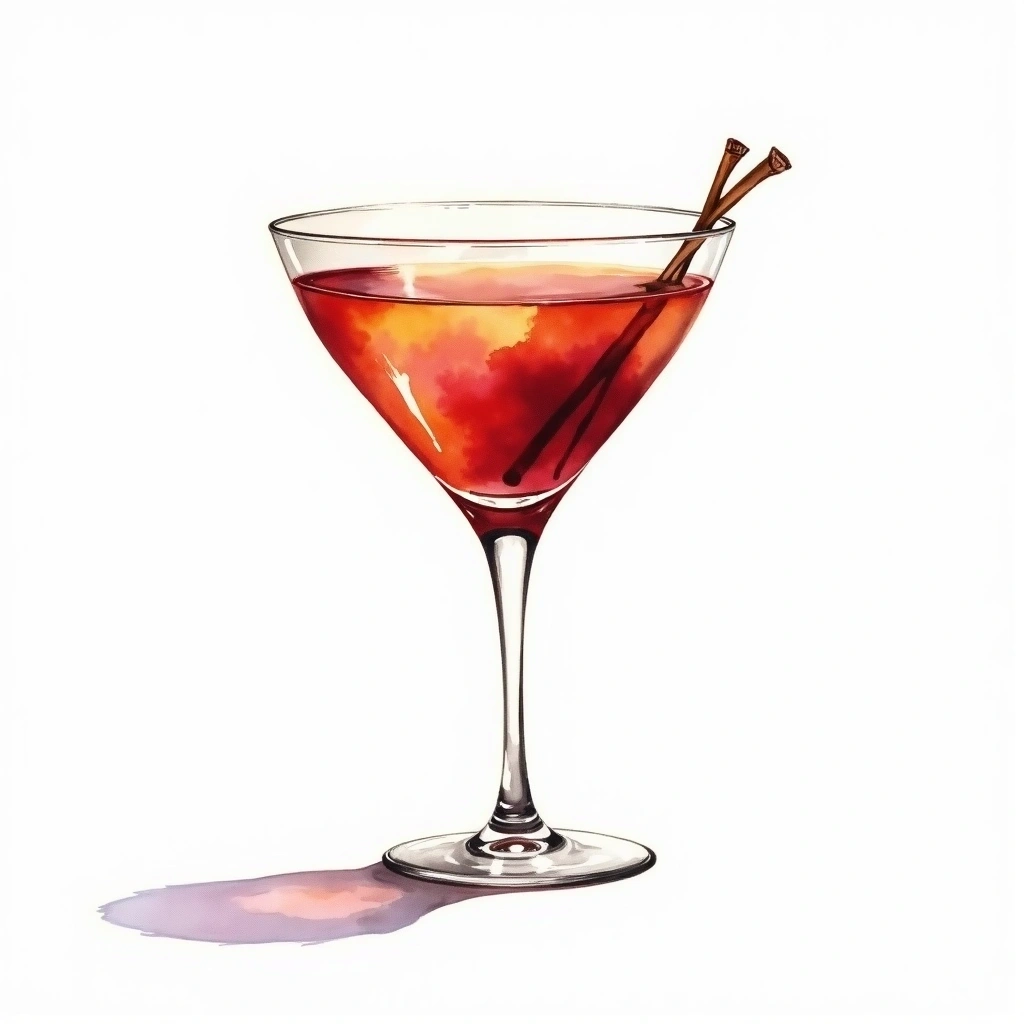
Addington
原料
- Sweet Vermouth 2 shots
- Dry Vermouth 1 shot
- Soda Water Top up with
调制步骤
Mix both the vermouth's in a shaker and strain into a cold glass. Top up with a squirt of Soda Water.
Addington是一款低酒精度的苦艾酒鸡尾酒,将甜苦艾酒和干苦艾酒以2:1的比例混合,最后加入少量苏打水带来轻盈的气泡。12.58%的酒精度使其成为优雅易饮的开胃酒,突显了苦艾酒的草本和葡萄酒般的特质。两种苦艾酒相互融合,产生出微苦甜美、令人沁爽的复杂口感。
History & Origins
The Addington is a classic vermouth cocktail whose origin is disputed, though its format is consistent with late 19th and early 20th century drinking practices when vermouth was consumed more frequently as a standalone aperitif. The drink predates the dominance of gin and whiskey cocktails, reflecting an era when Italian and French vermouths were central to the bar menu. Its name may reference a person or place but no definitive attribution has been established.
Tasting Notes
Aroma: Herbal and wine-like, with the sweet vermouth's vanilla and dried fruit notes alongside the dry vermouth's floral bitterness. Palate: A balanced interplay of sweet and bitter, with herbal complexity from both vermouths; the soda water lightens the body and adds a clean spritz. Finish: Dry and refreshing, with a lingering bitter-herb character.
Pro Tip
Use chilled vermouth from the refrigerator to keep the drink cold without excessive ice dilution, and add only a short splash of soda water at the end.
Frequently Asked Questions
What is in the Addington cocktail?
The Addington combines equal parts sweet vermouth and dry vermouth topped with club soda, producing approximately 12.58% ABV. The use of both vermouth styles creates a 'Perfect' vermouth base—balancing the herbal, bittersweet complexity of each—with soda water making it a long, refreshing spritz.
Is the Addington similar to an Americano?
The Addington is structurally similar to an Americano but replaces Campari with additional vermouth, creating a lighter, more wine-forward drink without the pronounced bitterness of Campari. Both drinks use soda water and serve a similar aperitivo function, but the Addington's dual-vermouth structure makes it gentler and more delicate.
When is the Addington best enjoyed?
The Addington is an ideal aperitivo cocktail, best enjoyed before a meal as its herbal vermouth flavors and light effervescence stimulate the appetite without overwhelming it. Its moderate ABV of around 12.5% and refreshing soda component make it suitable for extended pre-dinner drinking occasions.
Embed on your site — CocktailFYI
Add the widget to any webpage using a script tag.
<div data-cocktailfyi="recipe" data-slug="addington"></div>
<script src="https://cdn.jsdelivr.net/npm/cocktailfyi-embed@1/dist/embed.min.js" defer></script>Embed using a standard iframe — works in any CMS.
<iframe src="https://cocktailfyi.com/iframe/recipe/addington/" width="100%" height="480" frameborder="0" loading="lazy" title="CocktailFYI recipe widget"></iframe>Paste the URL into WordPress, Medium, or any oEmbed-aware editor.
https://cocktailfyi.com/recipes/addington/Add a badge linking back to CocktailFYI.
<a href="https://cocktailfyi.com/recipes/addington/" target="_blank" rel="nofollow noopener">
  <img src="https://cocktailfyi.com/badge/site.svg" alt="CocktailFYI" height="20">
</a>
Use the CocktailFYI WordPress plugin shortcode.
[drinkfyi-recipe site="cocktailfyi" slug="addington"]Use as a native HTML custom element in modern browsers.
<cocktailfyi-recipe slug="addington" theme="light"></cocktailfyi-recipe>
<script src="https://cdn.jsdelivr.net/npm/cocktailfyi-embed@1/dist/embed.min.js" defer></script>Powered by CocktailFYI
Docs →