Clarifying
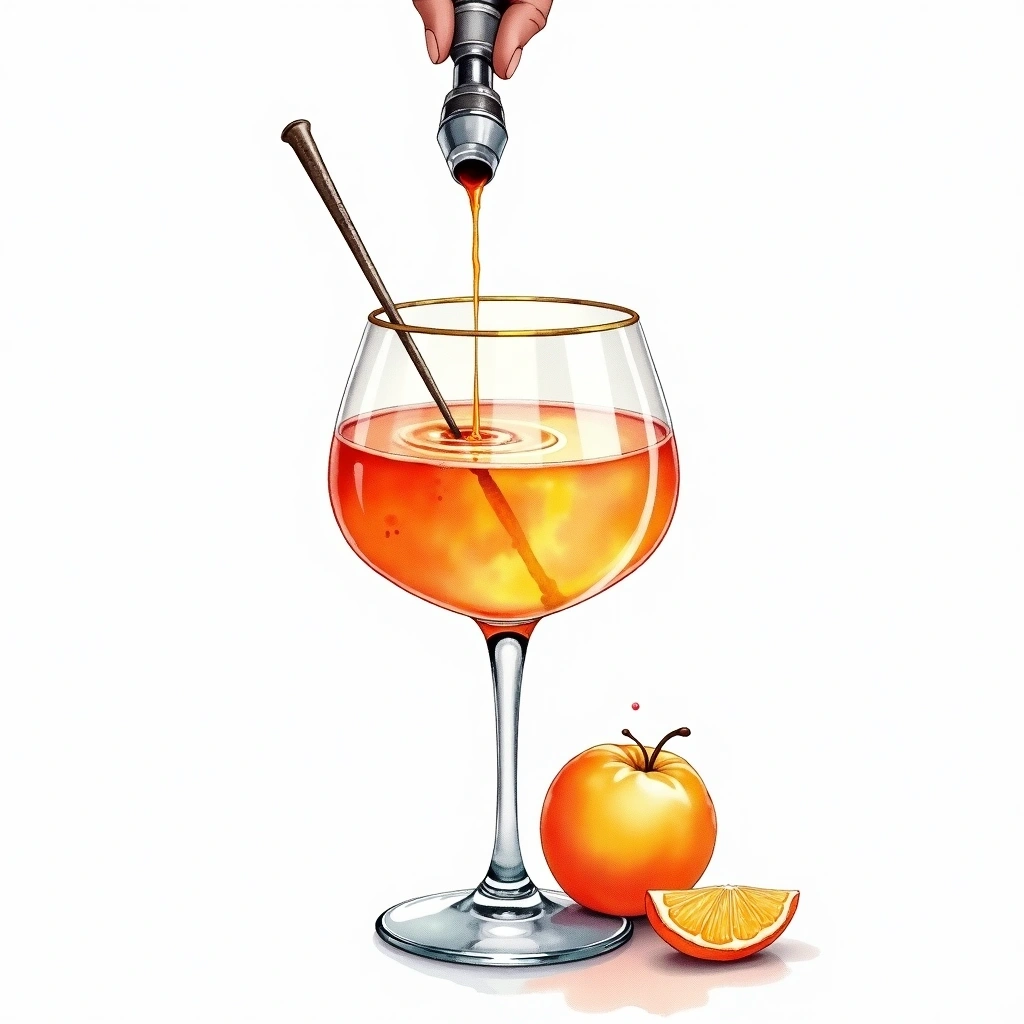
AdvancedRemoving particles from a cocktail using milk proteins, agar, or gelatin for crystal transparency.
Gerekli Araçlar
Nasıl Yapılır
1. Choose your clarifying agent — whole milk is most common. For agar clarification, dissolve 2g agar per 500ml liquid, heat to dissolve, cool to set, then freeze-thaw to separate. 2. For milk clarification: warm the milk gently, then add it to the acidic cocktail mixture and stir. 3. The proteins in the milk will curdle and clump together, binding with tannins and particles. 4. Let the mixture rest for 15–30 minutes without disturbing. 5. Pour through a coffee filter or fine cloth, allowing it to drip slowly — do not press or squeeze. 6. The resulting liquid should be brilliantly clear with a soft, silky texture. Tip: Patience is essential — rushing the filter stage leads to cloudy results. Common mistake: using cold milk, which prevents proper protein coagulation.
Profesyonel İpuçları
For milk clarification, combine your fully batched cocktail with an equal volume of whole milk heated to 180°F, and let the acid in the cocktail curdle the milk proteins for 1-2 hours at room temperature before straining through cheesecloth. The casein proteins bind to tannins, color compounds, and bitter polyphenols, producing a crystal-clear liquid with a rounder, softer mouthfeel. For agar clarification, dissolve 0.2% agar by weight into your heated cocktail, set it in the fridge until gelled, then break the gel and strain through cheesecloth for faster results. Clarified cocktails are shelf-stable for weeks when refrigerated, making them ideal for bottled cocktail programs.
Yaygın Hatalar
Adding milk at the wrong temperature prevents casein proteins from forming proper curds, resulting in a hazy liquid that never achieves crystal clarity. Not straining enough times through the curd raft leaves fine particles that make the drink look translucent rather than truly clear, developing a cloudy haze within hours. Expecting any recipe to clarify fails because drinks without sufficient acid cannot curdle milk proteins, leaving an unappetizing chalky mixture.